
THE NEWZEALAND STORY: Untold Adventure
I contributed to the visual development of
The NewZealand Story: Untold Adventure
by creating stylized environments,
modular assets and secondary textures.
My work focused on translating the charm
of the original game into a modern 3D pipeline
while preserving its iconic 2D readability.
Software




About
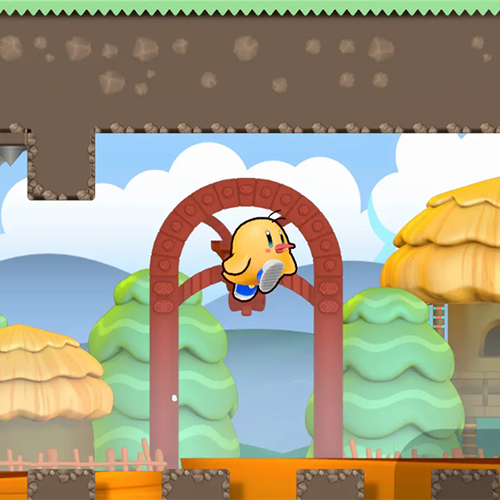
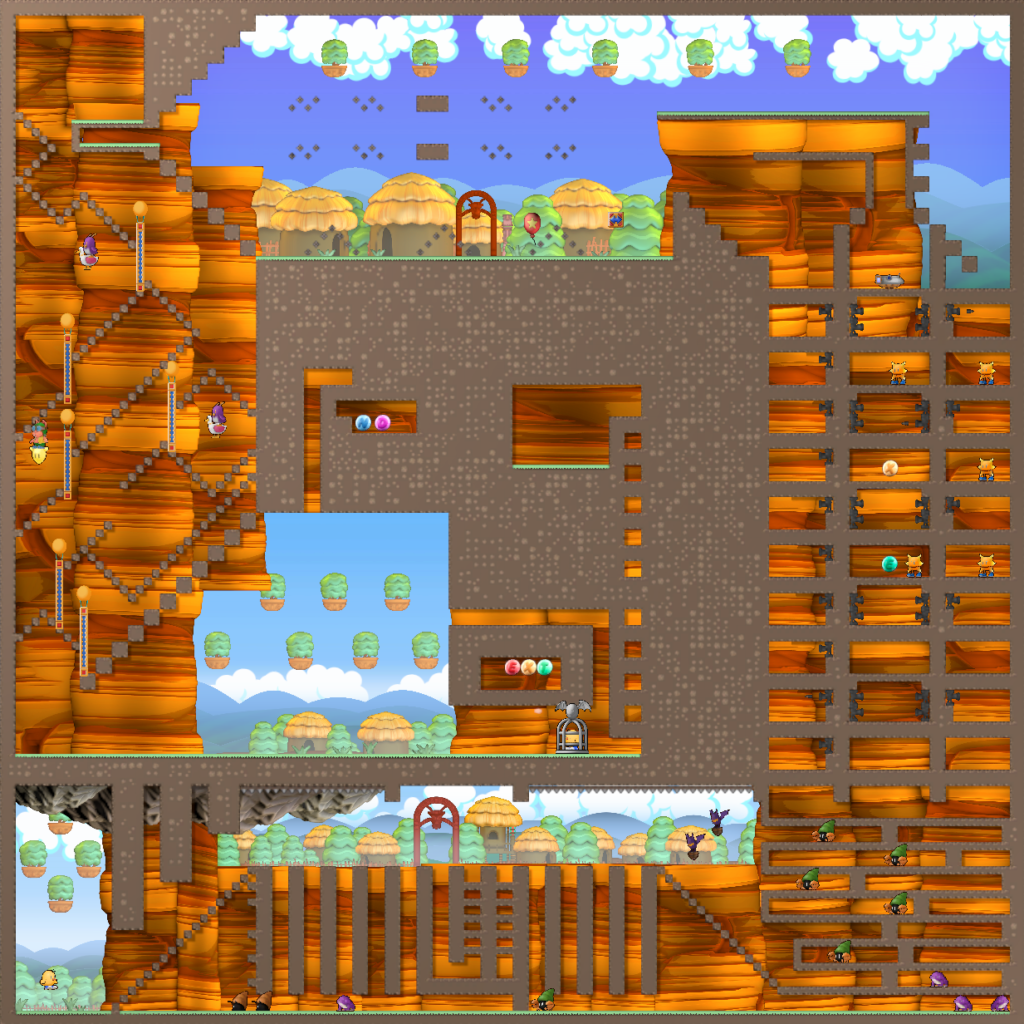
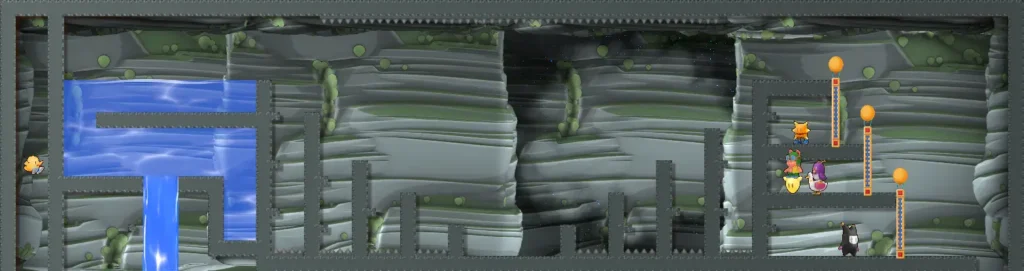
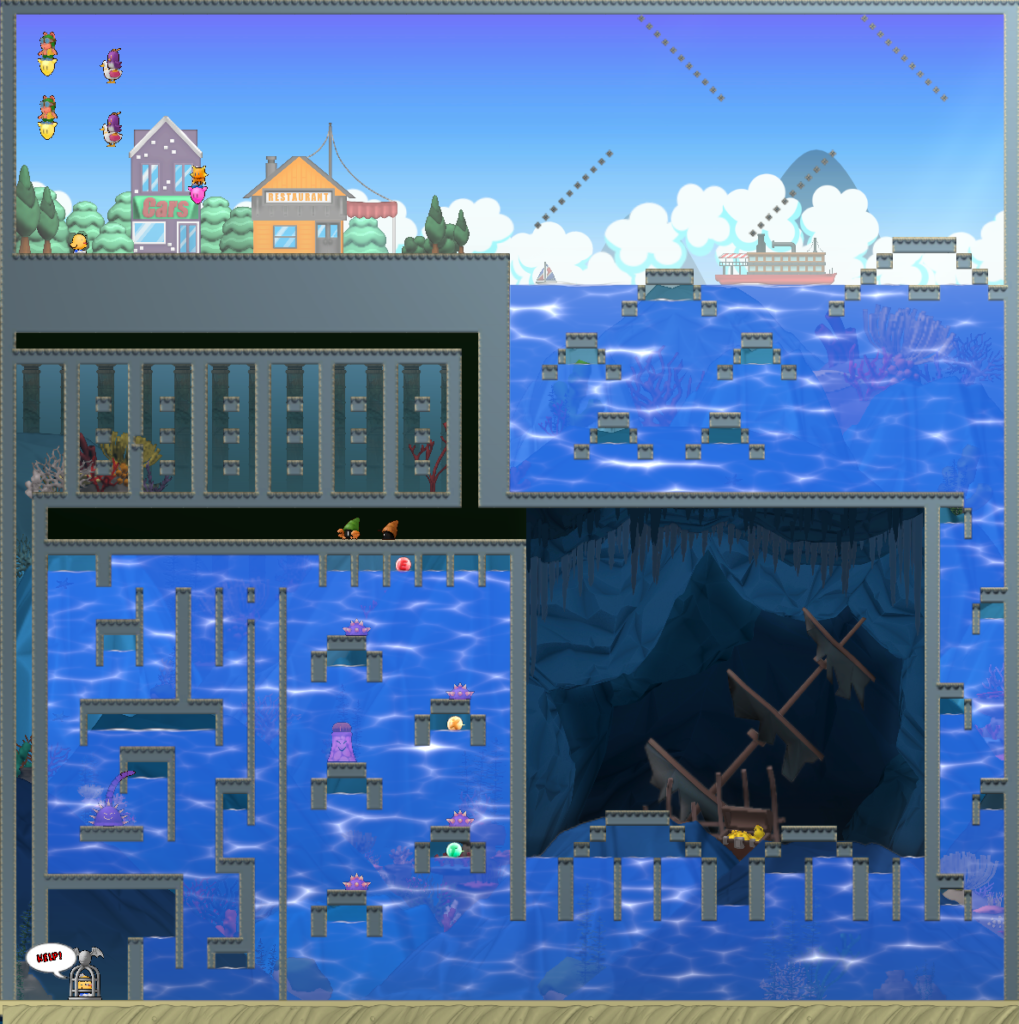
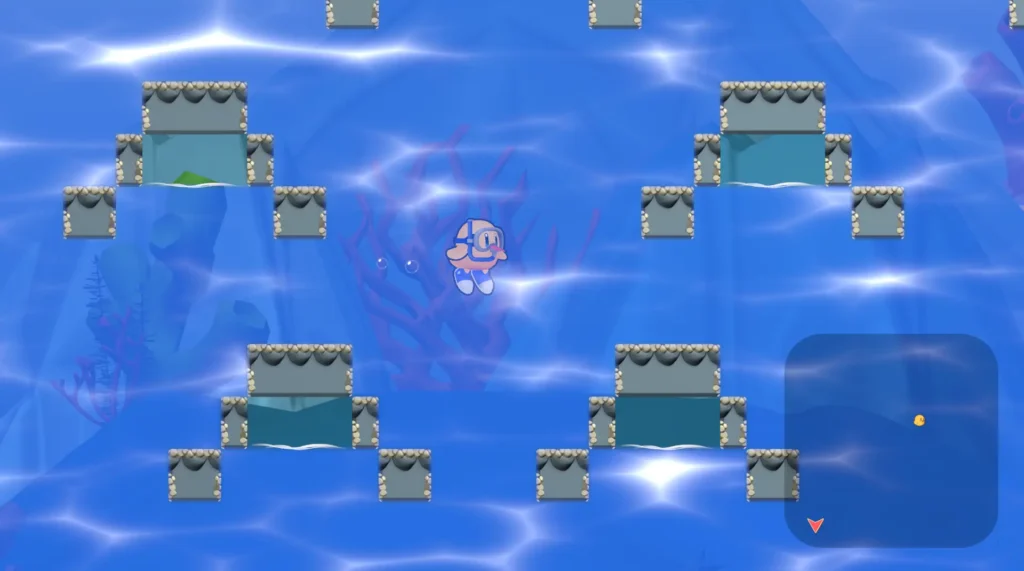
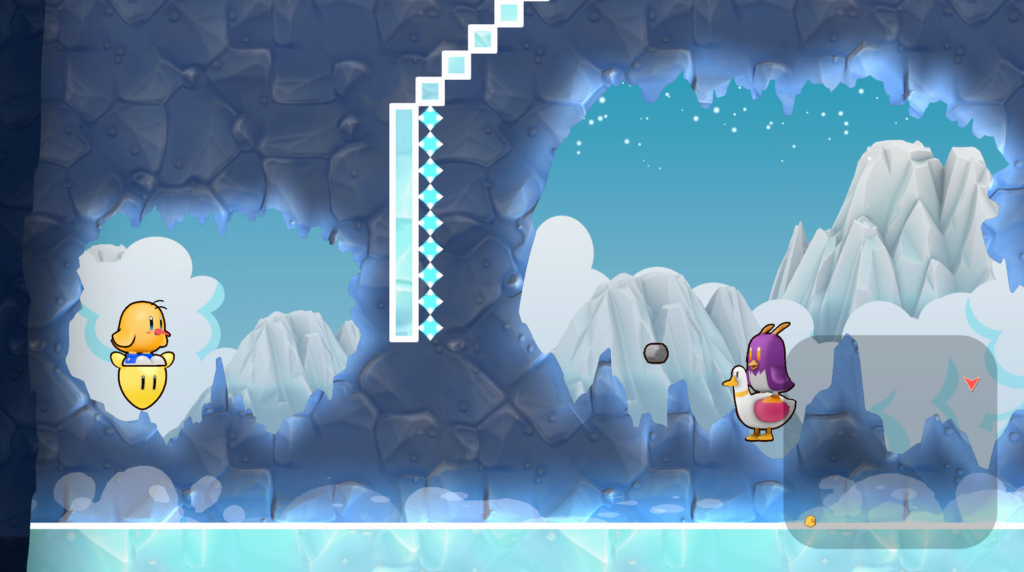
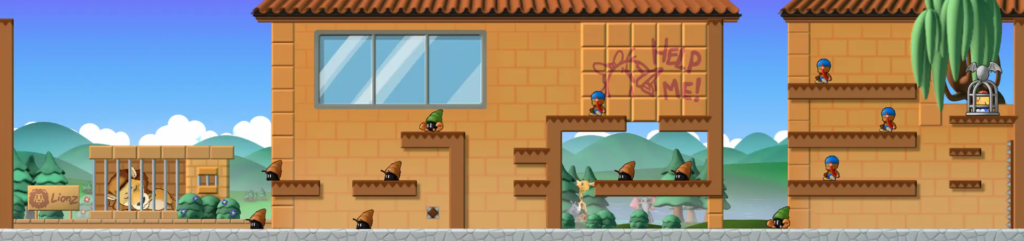
The NewZealand Story: Untold Adventure is a modern reinterpretation of the classic arcade platformer. The goal of the project was to recreate the original game’s atmosphere using fully 3D assets while maintaining the readability and visual clarity of a side-scrolling experience.
My contribution focused on environment production, modular asset creation, secondary textures and the implementation of the final levels inside Unity.
Process
01
Blockout
& Composition
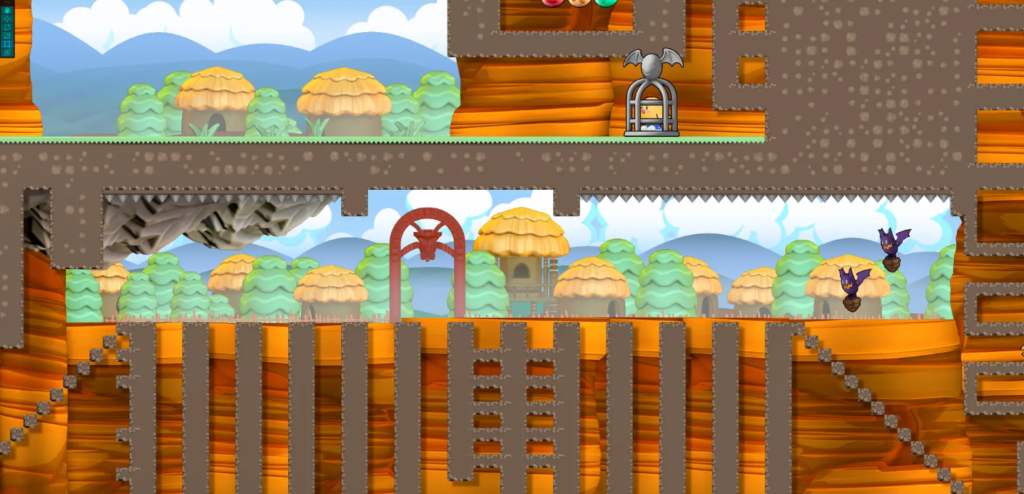
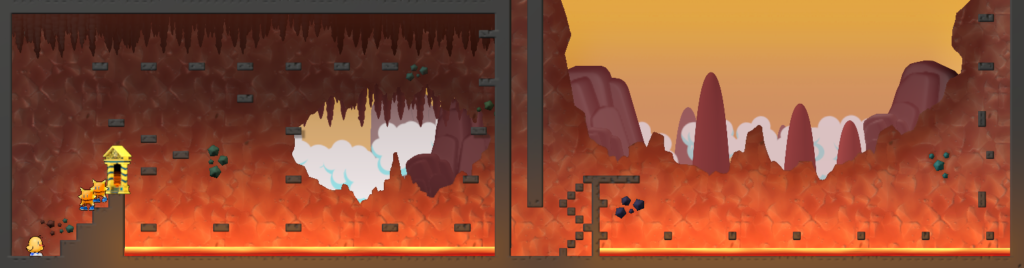
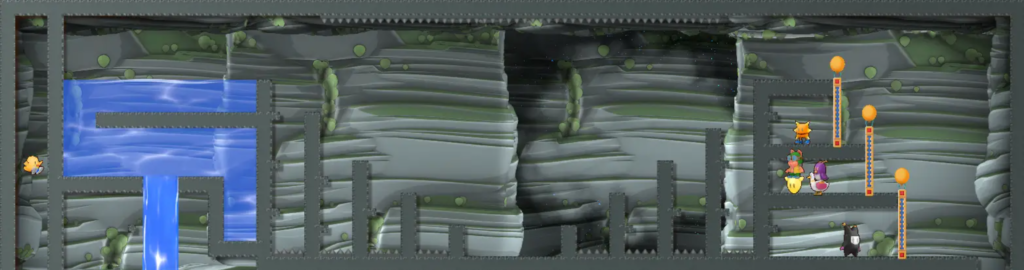
Every environment started with a simple blockout to define gameplay readability, composition and visual rhythm before moving into production.
02
3D Modeling
& Modular Assets
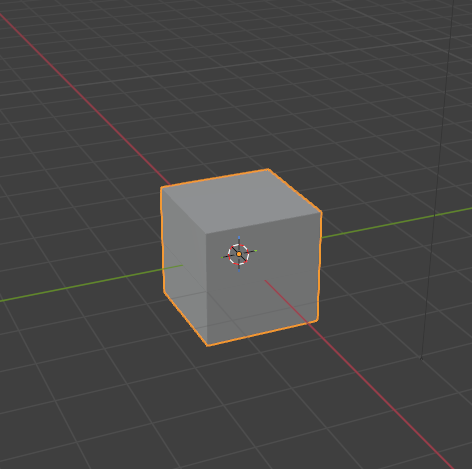
Assets were modeled in Blender using a modular approach to maximize
reusability while maintaining a consistent stylized language.
03
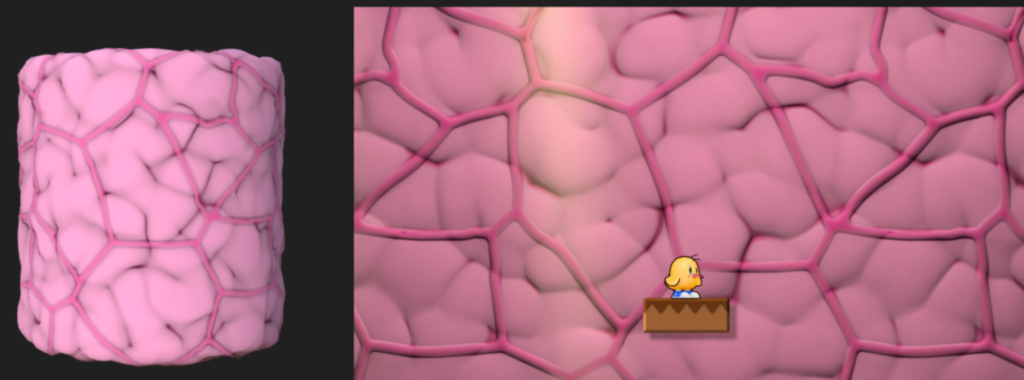
Secondary Textures
in Substance Designer
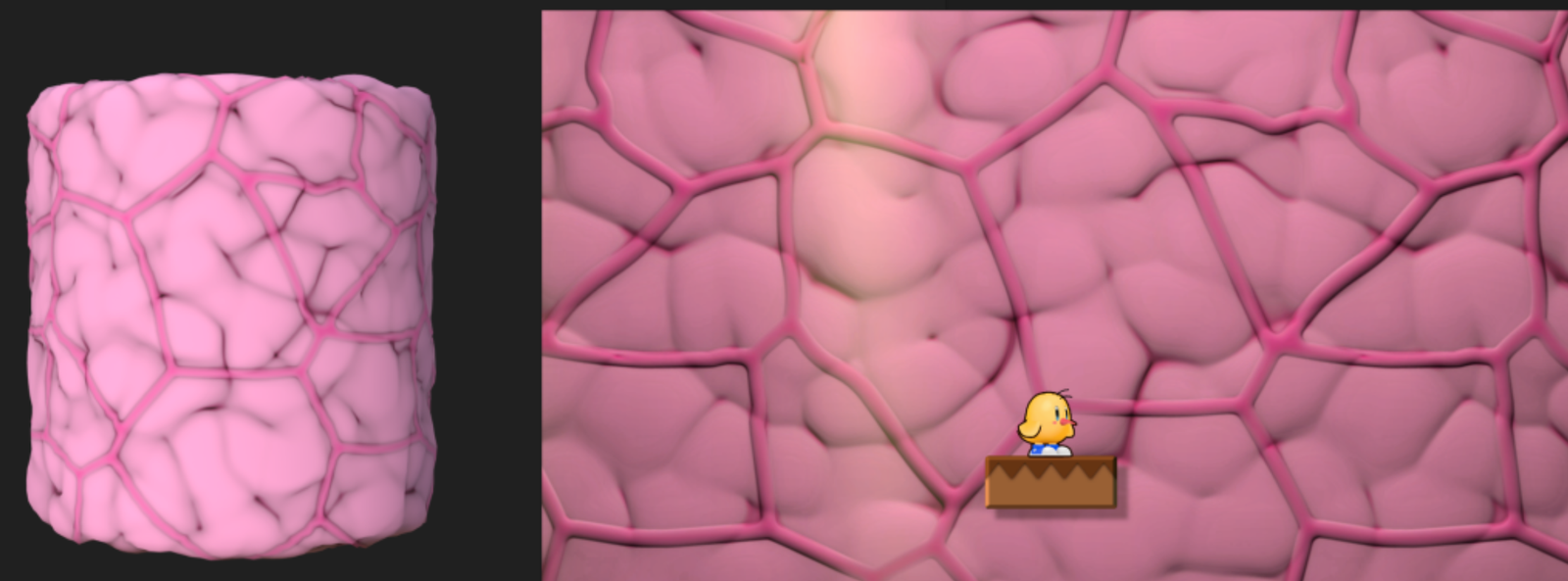
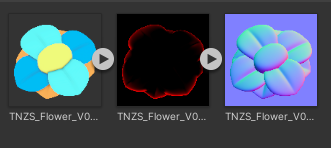
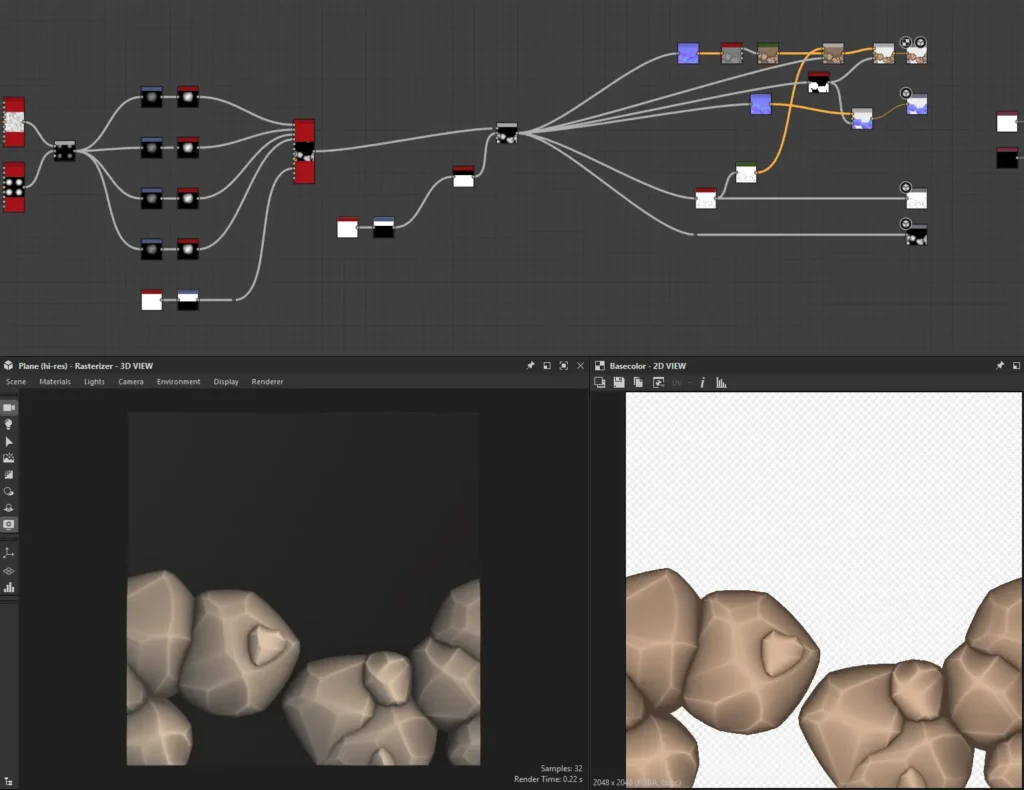
Instead of relying only on traditional textures, surfaces were enhanced through secondary textures created in Substance Designer to reinforce the 2D look.
04
Unity
Implementation
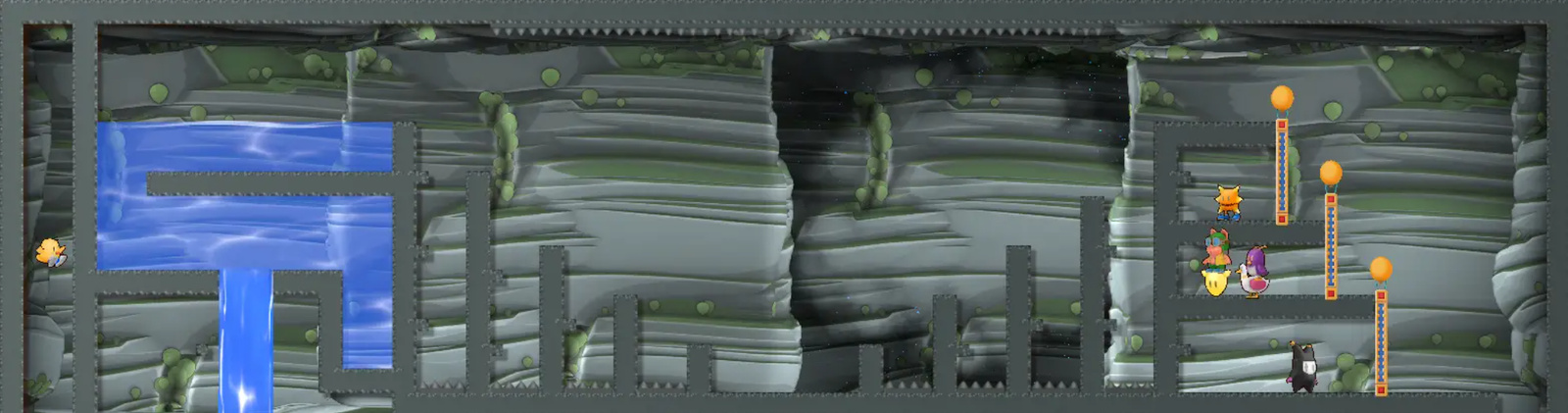
Final assets were assembled inside Unity,
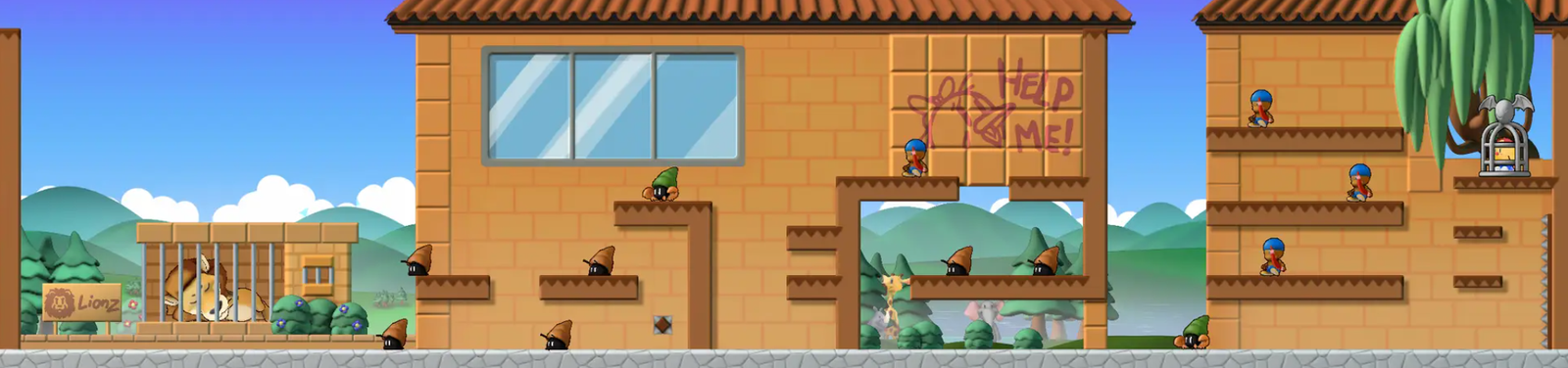
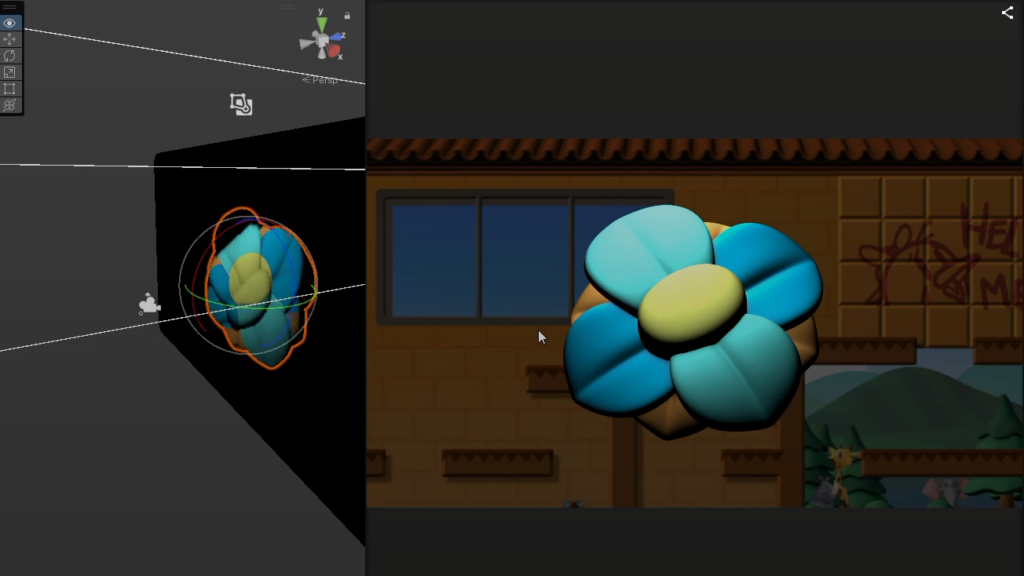
where lighting, prefabs and environment composition were refined to achieve the final visual quality.
Gallery
THE NEWZEALAND STORY: Untold Adventure
The NewZealand Story: Untold Adventure is a modern reinterpretation of the classic arcade platformer. The goal of the project was to recreate the original game’s atmosphere using fully 3D assets while maintaining the readability and visual clarity of a side-scrolling experience.
My contribution focused on environment production, modular asset creation, secondary textures and the implementation of the final levels inside Unity.
Blender, Substance Designer, Photoshop, Unity
01
Blockout
& Composition
Every environment started with a simple blockout to define gameplay readability, composition and visual rhythm before moving into production.
02
3D Modeling
& Modular Assets
Assets were modeled in Blender using a modular approach to maximize
reusability while maintaining a consistent stylized language.
03
Secondary Textures
in Substance Designer
Instead of relying only on traditional textures, surfaces were enhanced through secondary textures created in Substance Designer to reinforce the 2D look.
04
Unity
Implementation
Final assets were assembled inside Unity,
where lighting, prefabs and environment composition were refined to achieve the final visual quality.